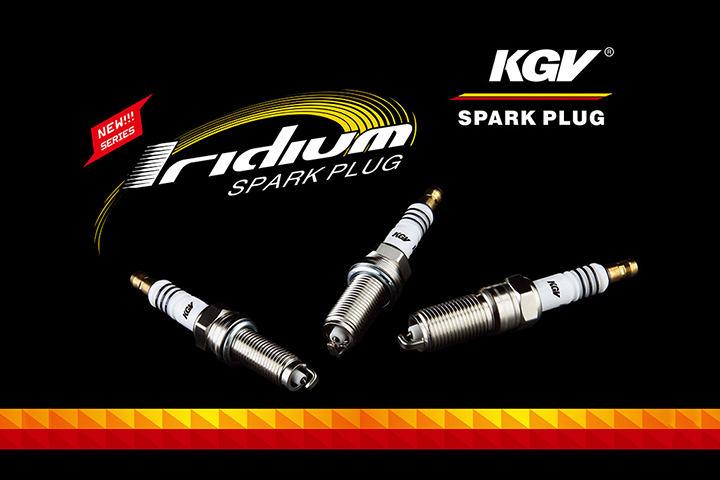
If you’ve ever driven in Jakarta, Bangkok, or Kuala Lumpur during rush hour, you know it’s absolute chaos. It’s hot, it’s humid, and your car spends hours idling with the A/C blasting. This exact "stop-and-go" tropical traffic is a nightmare for your engine. If you’ve noticed your car shaking at red lights, lagging when you hit the gas, or swallowing fuel faster than usual, your spark plugs are likely crying for help.
Most mechanics or 4S dealerships will try to sell you standard nickel or platinum plugs because they look cheap upfront. But as an old-timer who’s been fixing cars for over a decade, my honest advice is to spend a little more and get an iridium spark plug (or a full set of them). It’s not a marketing gimmick; it’s actually the smartest way to save money long-term.
Cut the Hype: How Spark Plugs Actually Evolved
Many new drivers think any plug that creates a spark is fine. Let’s break it down in plain English so you don’t get ripped off.
Older cars used basic copper or nickel alloy plugs. Back then, engines weren't as precise, and while these plugs were cheap, they wore down incredibly fast—usually lasting just 20,000 to 30,000 kilometers. Then came platinum plugs, which lasted a bit longer.
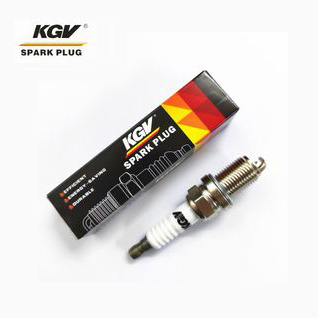
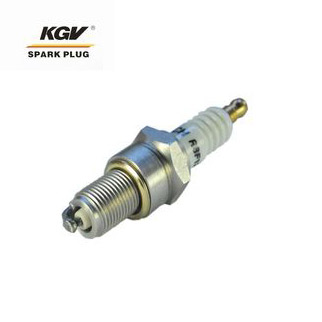
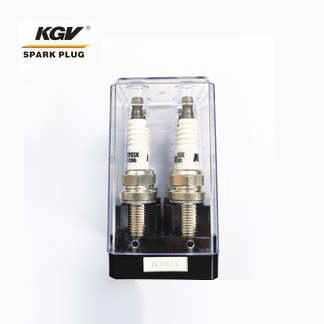
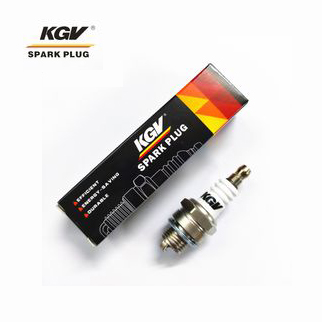
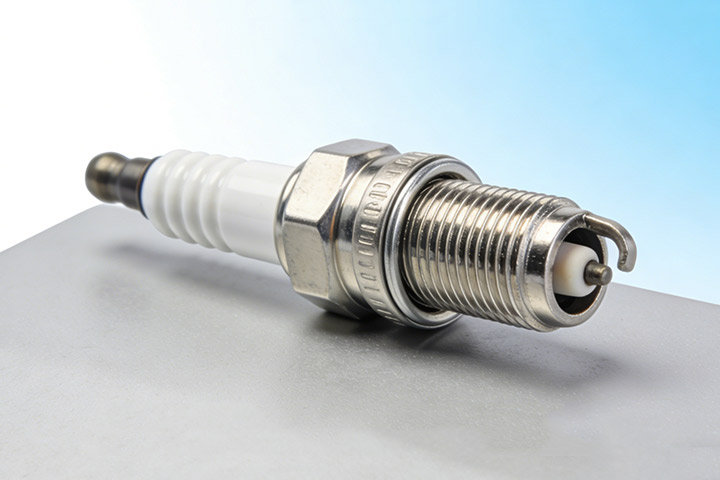
Today, the undisputed king is the iridium spark plug. Iridium is a rare precious metal that is incredibly hard and boasts a melting point near 2,400°C. Because it’s so tough, manufacturers can make the center electrode incredibly thin—almost like a fine needle. A thinner electrode requires far less voltage to jump the gap, creating a much stronger, hotter, and more concentrated spark.
When you’re stuck in traffic in Southeast Asia’s brutal heat and humidity, your engine needs every bit of help it can get. A weak spark leads to rough running, but iridium gives you a rock-solid ignition every single time.
4 Real-World Benefits: Why Iridium Saves You Cash
A lot of drivers see the price tag of iridium and immediately shake their heads. But you have to do the math over the long run, not just today. Here is why they are worth every cent:
Standard plugs give up the ghost after 20,000 kilometers, meaning you’re constantly visiting the shop. In Southeast Asia, heavy traffic accelerates this wear. An iridium spark plug, on the other hand, easily goes for 80,000 to 100,000 kilometers. You change them once, and you can practically forget about them for years. Since mechanic fees keep rising, cutting out two or three garage visits saves you serious cash and time.
With fuel prices constantly bouncing around, every kilometer per liter counts. When old plugs wear out, the gap gets too wide, the spark weakens, and unburnt fuel just gets dumped out the exhaust. That’s your hard-earned money flying out the tailpipe. Because iridium plugs burn fuel completely, your engine gets maximum efficiency out of every drop. Over thousands of kilometers, the fuel savings alone will pay for the plugs.
Ever feel your steering wheel vibrating violently while waiting at a red light? Or notice a annoying delay when you step on the gas to overtake a truck? That’s your old plugs misfiring. Switching to iridium instantly smooths out your idle and restores that crisp, immediate throttle response.
Southeast Asian heat keeps under-hood temperatures boiling. Combine that with constant idling, and you get a recipe for carbon buildup, which chokes regular plugs. Iridium thrives in high heat and features a natural "self-cleaning" property. It burns off carbon deposits before they can stick, ensuring your car starts right up even after sitting in a gridlock for two hours.
Before you rush out to buy an iridium spark plug, keep these three golden rules in mind so you don’t get burned:
Q: Will these give my car extra horsepower? A: Let’s be real—it’s not going to turn your 1.5-liter commuter car into a sports car. What it will do is restore the lost performance caused by dirty, old plugs. It brings back that "brand-new car" factory responsiveness.
Q: Can I put them in an old, beaten-up car? A: Absolutely. As long as the thread size and heat range match, old engines actually love iridium. Older engines have lower compression and weaker ignition systems, so a plug that requires less voltage to spark makes the car run way better.
Q: They cost way more than standard ones. Is it truly worth it? A: Think of it like buying shoes. You can buy a cheap pair that falls apart in three months, or spend a bit more on a pair that lasts three years. Which one actually saves you money? Plus, you get better gas mileage and fewer trips to the mechanic. It’s a no-brainer.
If you plan on keeping your car for the next few years and you have to deal with brutal tropical weather and daily traffic jams, upgrading to an iridium spark plug is the easiest, most practical upgrade you can make.
Next time you take your car in for a routine oil change, just tell the mechanic: "Throw in a set of quality iridium plugs." Trust me, the guy will immediately know he’s dealing with a driver who actually knows their stuff.

Room 711 Xinlongji Building, No. 183. Gangkou 1 Road, Jiangmen, Guangdong, China.
+86-13536163461
info@lxnplug.com
https://www.kgvsparkplug.com
Copyright © Liyang Industrial & Trading Developing Co., Ltd. All Rights Reserved. 粤ICP备2026044269号 Sitemap XML